Security has changed. Once, it meant locks, guards, and watch dogs. Now, it’s cameras, sensors, and data-driven intelligence. And it protects so much more than property. It safeguards people, information, and reputation. And in an unpredictable world, that protection has never mattered more.

Why Modern Businesses Are Rethinking Security
Every business faces danger. Theft, hacking, vandalism, or fraud: threats are constant. What’s new is the response. Nowadays, companies are shifting from isolated tools to
integrated security systems. A single platform now manages entry points, alarms, and surveillance. Owners get alerts instantly, even if they’re miles away. That’s not just efficiency, it’s empowerment.
Technology helps detect danger early. AI cameras track movement and match faces in seconds. Cloud software updates security status across multiple locations in real time. Every connected device becomes a layer of defense.
And as criminals get more sophisticated, businesses need systems that think ahead. That’s why integration is the new foundation of safety.
What Smart Security Actually Looks Like
Modern security isn’t about buying gadgets. It’s about designing an ecosystem. Each tool protects a specific weak point. Core features include:
- AI-driven cameras that recognize faces and spot anomalies.
- Biometric access control that keeps unauthorized people out.
- Automated alerts that trigger at the first sign of trouble.
- Cloud monitoring for visibility across multiple sites.
- Integrated software linking physical and digital security.
The key is coordination. When every component communicates, risks drop dramatically. That’s how defense becomes both simple and powerful.
Professionals tailor each setup to the business’s scale and workflow. From small offices to large factories, systems adapt, not overwhelm.
The Power of Smart Protection
Technology makes prevention measurable. The global physical security market is projected to
exceed $150 billion and beyond. Growth is driven by one fact: it works. That’s because businesses that use smart protection see real returns. They reduce theft; they lower insurance premiums; and they prevent costly downtime and data loss.
The benefits go beyond numbers because safety builds confidence. Confidence boosts performance. A secure environment encourages focus and creativity. Security, in the end, is a productivity tool because it doesn’t just defend assets, it enables progress.
Safety Starts With People!
True safety begins with protecting lives. Modern systems focus on human awareness and fast response.
During a crisis, every second counts. Automated tools can:
- Send alerts to employees.
- Lock unsafe areas instantly.
- Track who’s inside in real time.
- Help responders reach people faster.
- Monitor air quality, fire risk, or hazardous leaks.
Technology replaces confusion with clarity. It guides people through emergencies calmly and efficiently.
When humans and machines work together, safety becomes seamless.
The Rise of Data-Driven Security
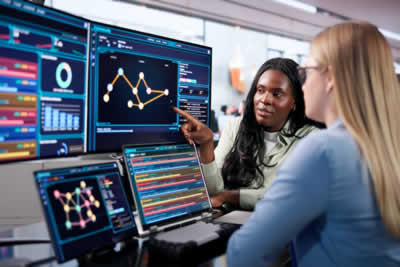
Data is now a significant asset: every log, motion event, and camera feed creates insight. That insight drives smarter decisions. Over time, systems learn from behavior. They detect patterns, spot vulnerabilities, and predict risks. Managers can adjust schedules, improve lighting, or tighten access policies. Predictive analytics turns raw data into proactive defense.
There are many companies that lead this shift. They combine AI, hardware, and analytics to give businesses total visibility. Their systems evolve with every event - learning, improving, protecting.
Integrating Cybersecurity and Physical Safety
Digital and physical threats are merging: hackers can unlock doors or disable alarms remotely. That’s why modern protection must cover both worlds. Unified systems encrypt data, secure Wi-Fi connections, and restrict user access. Cyber protections now guard security devices themselves. A smart lock is only as strong as its password. A camera feed is only safe if its data is encrypted.
Businesses that merge cybersecurity and physical safety close critical gaps. They create protection that’s full-circle — from the door to the data center.
Balancing Tech With Trust
Technology must serve people, not spy on them. Trust is essential. This means that businesses must be transparent about how data is collected and stored. Employees should know what’s being monitored and why. When people understand the purpose, they cooperate. Because when they don’t, they resist.
Clear communication builds confidence. Responsible data policies protect privacy. Together, they create a culture of safety instead of fear. Trust is the invisible layer that makes every system stronger.

Real-World Wins With Tech-Driven Safety
Across industries, smart systems prove their worth daily. Retailers use analytics to spot theft patterns early. Manufacturers deploy sensors that prevent accidents before they happen. Hospitals use access control to protect patient data and secure restricted zones. Schools rely on automated lockdowns that react in seconds.
Even small businesses are catching up. Cloud-based solutions are affordable and scalable. Setup takes hours, not weeks. Upgrades happen automatically.
Technology has leveled the playing field. Now, safety isn’t limited by company size, only by their level of commitment.
The Human Side of Smart Security
Technology is powerful, but
humans make it meaningful. Training employees is as important as installing cameras. When staff understand protocols, they respond faster. When they recognize risks, they prevent incidents before they escalate.
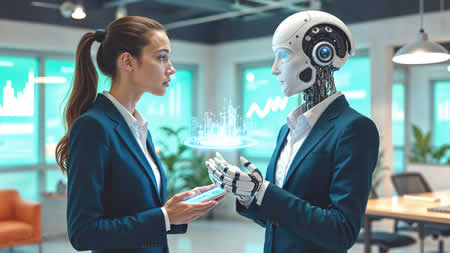
The best systems don’t replace people, they empower them. Technology handles alerts and data, while people handle judgment and empathy. That partnership creates balance: human intelligence supported by machine precision.
Sustainability in Modern Security
The tech is also going green. New systems use low-energy sensors and solar-powered cameras. Cloud management reduces waste from outdated equipment.
Eco-friendly design lowers energy bills and supports corporate sustainability goals. Businesses can protect both people and the planet, efficiently and responsibly. Sustainable security isn’t just smart; it’s forward-thinking.
The Future of Business Security
The future will transform things once again. AI will predict threats before they surface; drones may patrol perimeters autonomously; sensors will detect hazards long before humans can. Data sharing between systems will create full situational awareness. The result? Instant responses and minimal risk.
Future policy won’t be reactive. It’ll be predictive, adaptive, and nearly invisible. Safety will simply happen, intelligently and automatically.
Bringing It All Together
Strong security works quietly in the background. It builds trust, reduces risk, and protects growth. Businesses that invest in it send a clear message: We care about our people, and we protect what matters.
Technology makes that promise reliable because it transforms safety from a task into a culture.
Final Thoughts
Protecting people and property isn’t just an operational need. It’s a leadership decision. Smart systems guard assets, anticipate threats, and give peace of mind. They turn chaos into control, and fear into confidence.
When safety becomes seamless, business can focus on what it does best: growing, serving, and innovating. That’s the true strength of modern business technology: protection that empowers progress.