AI has become part of our everyday life. Students use it to plan essays, solve maths, translate writing, and organize study notes. In the world beyond school, companies use artificial intelligence to hire people, answer customers, design products and study data.
So what does this mean for students? Well, it doesn’t mean everyone has to become a coder! It means they need a smarter mix of skills. They have to be technically confident, and be able to exercise human judgment, and keep learning as the rules change.
 In this ZandaX article, we show how the AI job market will not only reward individuals who know things. It will reward those who think clearly, use tools well and work well with others to get the best results they can.
How AI Is Changing Work
A few years ago, many people thought AI was the domain of engineers and tech companies. Now it
strikes almost every career. Teachers use digital platforms. Smart systems are used by doctors. Content tools are used by marketers. Image generators are used by designers. Automation is used even by small businesses. Sounds hardcore, right? But it can also be a tremendous opportunity. AI can take away the boring tasks and give people more room for ideas, strategy and creativity.
But no-one should see AI as magic. It's a tool, not a mind reader! That’s helpful, but it can make mistakes, too. That’s why it’s necessary to have skills that are useful next to AI, not weaker because of it.
In this area, we'd say that the most important skills for the future are:
- Digital literacy and AI awareness;
- Critical thinking and problem solving;
- Communication and teamwork;
- Creativity and flexible thinking;
- Emotional intelligence and ethical judgement;
- Lifelong learning and self management.
These skills are a backpack for the future. The more tools students have that are useful, the easier it is to deal with new challenges. So let's take a look at them.
Digital Literacy: the New Basic Skill
Digital literacy isn't just knowing how to use a computer. That means knowing online tools, data, privacy, search engines, automation and digital communication. For students, many modern workplaces can be a confusing place without this skill.
AI literacy fits into the same picture. In the near future, everyone will be expected to be competent in the use of chatbots, search tools, spreadsheets, presentation applications and learning platforms. More than that, they need to know when not to believe them.

For example, AI can quickly write a summary of a topic. But a good student checks the facts, adds his own understanding, and improves the result. That extra step gives the work a sense of reality.
As AI becomes more integrated into education, students increasingly depend on digital study tools that help them manage large amounts of information more efficiently. A service such as
studley can quickly transform notes and study topics into flashcards making revision faster, more organized and easier to maintain during stressful academic periods. For many learners, tools of this kind are becoming an essential part of everyday study routines because they help save time while supporting consistent practice and better knowledge retention.
How To Use AI and Still Have Your Own Voice
Many people worry that AI will make their work look inauthentic. That's what happens when they copy everything without thinking. The better way to use AI is as a study buddy. Students can ask the AI for examples, outlines, questions or feedback. They should then edit, rewrite, and add their own ideas. A good final answer should still read as if it was written by a human.
Here are some easy habits that help:
- Pose questions that are clear and provide sufficient context.
- Check out crucial data in reliable resources.
- Paraphrase AI Text In Your Own Words.
- Share Your Own Examples.
- Use AI to learn faster, not to cheat on thinking.
These habits take you to a new level. Employers want people who can drive technology, not people who need it to think for them.
Critical Thinking & Problem Solving
AI can answer fast, but fast answers are not always good answers. Sometimes they are not complete. Sometimes they’ve got an agenda. Sometimes they sound confident when they are incorrect. That’s why critical thinking is one of the best skills to have in an AI-driven job market. It helps people ask better questions and to notice weak arguments.
Imagine AI as a librarian who can do things really fast. It can get you books in seconds. But you have to decide what book is important, what the evidence means, and how to apply it.
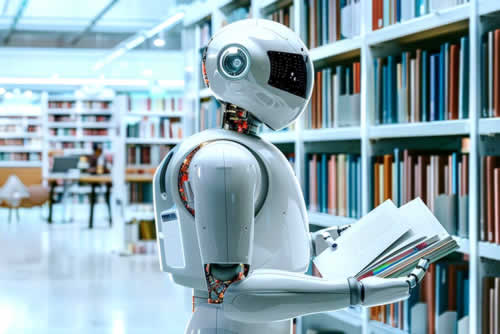
Problem solving works much the same way. Workplace problems are usually messy. Customers are not happy. The campaign fails. There’s a bug in a product. Team misses deadline. AI can provide options, but people have to make the right choices.
The best way to learn problem-solving skills is from real-life practice. Group projects, case studies, internships, volunteering and personal projects all add up. Even a small school event can teach planning, decision-making and quick adjustment!
The useful thinking habits are:
- Asking “why?” before choosing a fix;
- Considering different views;
- Seeking proof, not just opinions;
- Spotting risks and potential errors;
- Trying out ideas before fully believing them;
- Learning from mistakes without feeling shame.
These habits help students become more independent. They also get them ready for jobs where there is no perfect manual to instruct them.
Communication and Teamwork Still Count
There are those who believe that the future is for technical experts. That’s not half of it. Even the best idea can fail if no one understands it!
People must be able to communicate ideas clearly in writing and speech. They should learn how to write a polite email, how to present a project, how to join a meeting and ask good questions. Good communication prevents confusion and saves time.

If you'd like to learn more about communication, why not take a look at how we can help?
Boost your communication skills with our online courses.
RRP from $89 – limited time offer just
$12.99
Teamwork is equally important. Today’s workplace is often made up of people from different countries, departments and backgrounds. One person can handle data. Another may arrange. Someone else may look after clients. Students who can listen, share tasks and solve conflict are easier to work with. It sounds simple, but it’s a big career advantage.
Emotional Intelligence Puts Anyone at an Advantage
AI can write messages, but it can't really understand a nervous client or a tired teammate. Empathy, patience and self regulation are still needed.
Emotional intelligence is the capacity to
understand your own emotions and respect those of other people. It helps people to stay calm under pressure. It also helps them to receive feedback without taking it all personally. Which helps...
Students can practice these people skills in their everyday lives. They listen without interrupting, they give more kind feedback and they own their mistakes. Small things build strong professional habits.
Remember this: they may be called soft skills, but they are not soft in value. They decide who gets to be a leader, a mentor, or a trusted teammate in a lot of jobs.
Creativity, Flexibility and Lifelong Learning
Creativity isn’t just about drawing, writing music or making videos. It’s the ability to connect ideas in new ways. This skill is even more valuable in the AI-driven workplace. AI can re-mix old patterns. Humans can add taste, humour, values, emotion and life experience. That’s often where original work starts.
Creativity might be finding a better way to explain a science topic. It could mean coming up with a simple app idea. It might even mean making a boring presentation into something people will remember.
The sister of creativity is adaptability. The tools will change. Job descriptions will change. Some careers will grow and others will shrink. Students who can adjust will be less afraid of change.

This is all the habit of life-long learning. At ZandaX, we’ve run online courses for years, and in other guises, we’re delivered classroom training, too. And with almost all our delegates from work-based environments, the value of lifelong learning is beyond doubt. A school or college diploma is no longer the end of learning. It's just more of a passport. It gets you started, but you still have to move, explore, grow.
Anyone can develop this mindset with small routines:
- Reading up on current trends in their field of interest;
- Taking short online courses;
- Exploring new digital tools;
- Asking teachers or mentors for feedback;
- Building a portfolio of real projects;
- Learning from mistakes after each task.
There’s no need to make these routines dramatic: small, steady progress makes a big difference in the long run.
Practical Steps for What to Do Now:
The future of work can seem daunting and overwhelming. But for students, they don’t have to learn it all in a month. It will require small, steady action. It's a good place to start by choosing one career direction and exploring it. A student who is interested in marketing can learn analytics, content writing and audience research. If someone is interested in healthcare, they can learn about data privacy and patient communication.
Students need to also gather evidence of their skills. Grades are important but projects show what a person can do. Your portfolio might include presentations, designs, research, code, videos, reports or volunteer work.
Here’s a simple plan to follow:
- Select One Skill Relevant To Your Career Goal.
- You can take a class or tutorial to learn the basics.
- Make a small project to practice it.
- Seek Feedback From A Teacher, Peer Or Mentor.
- Refine the project, and store it in a portfolio.
- Do it again with a new challenge.
This plan makes career preparation an action. It also helps to figure out what you like before you commit to a full-time path.

Neither should ethics be ignored. Everyone needs to learn about plagiarism, privacy, bias and responsible AI use. Smart professionals don’t just ask “Can I do this?” They also ask themselves, “Is this fair and responsible?”
Final Thoughts
The AI-driven job market can feel like a moving target. But students don’t have to panic on the platform. They can prepare, practice and take the stage with confidence.
The best future workers won’t be the ones that compete with machines. They'll be the ones that know how to lead them. With digital literacy, critical thinking skills, communication skills, creativity, adaptability, and ethical judgment, it’s possible – and highly desirable – to build careers that are resilient in a world that is constantly changing.